Roots
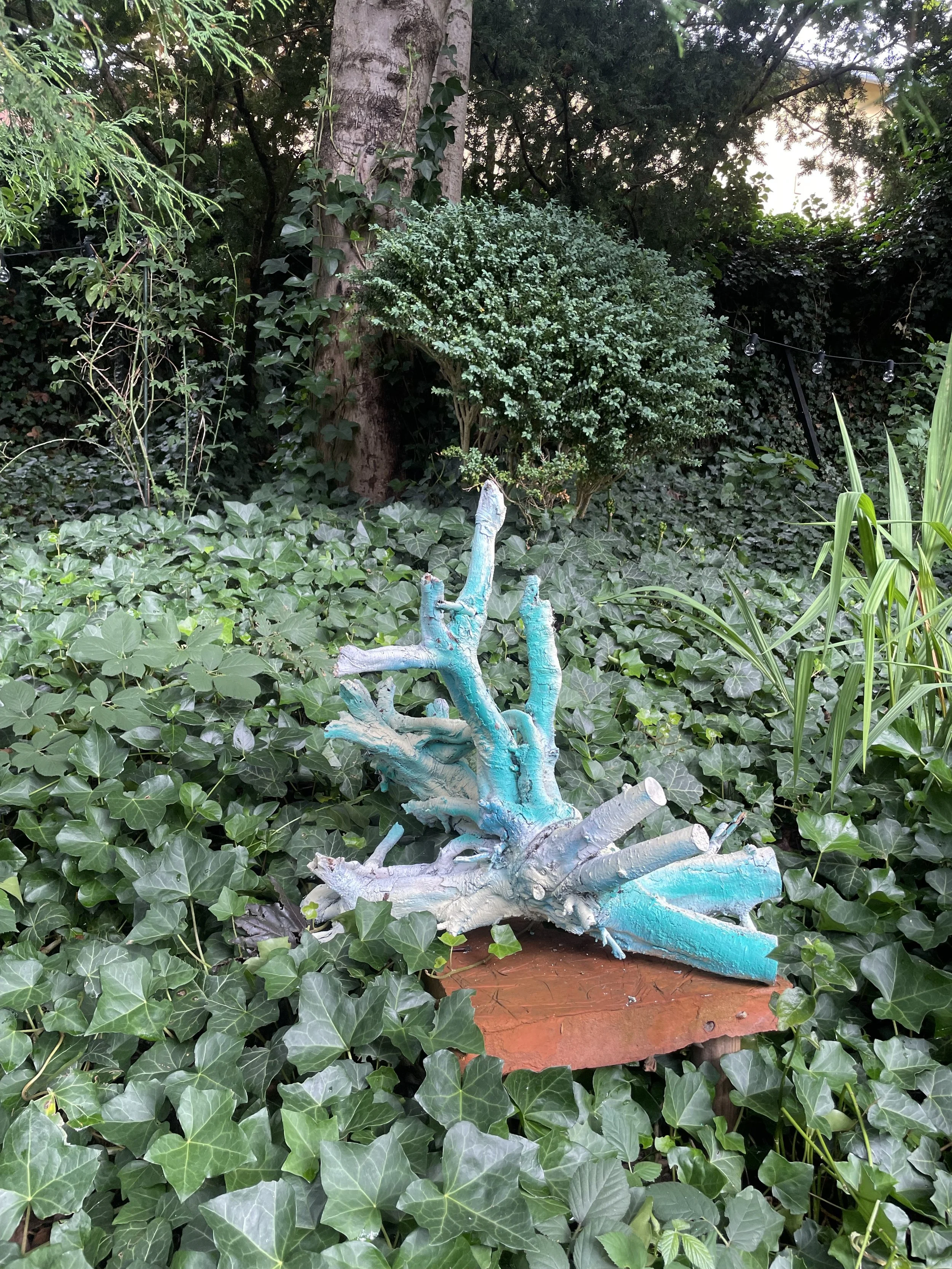
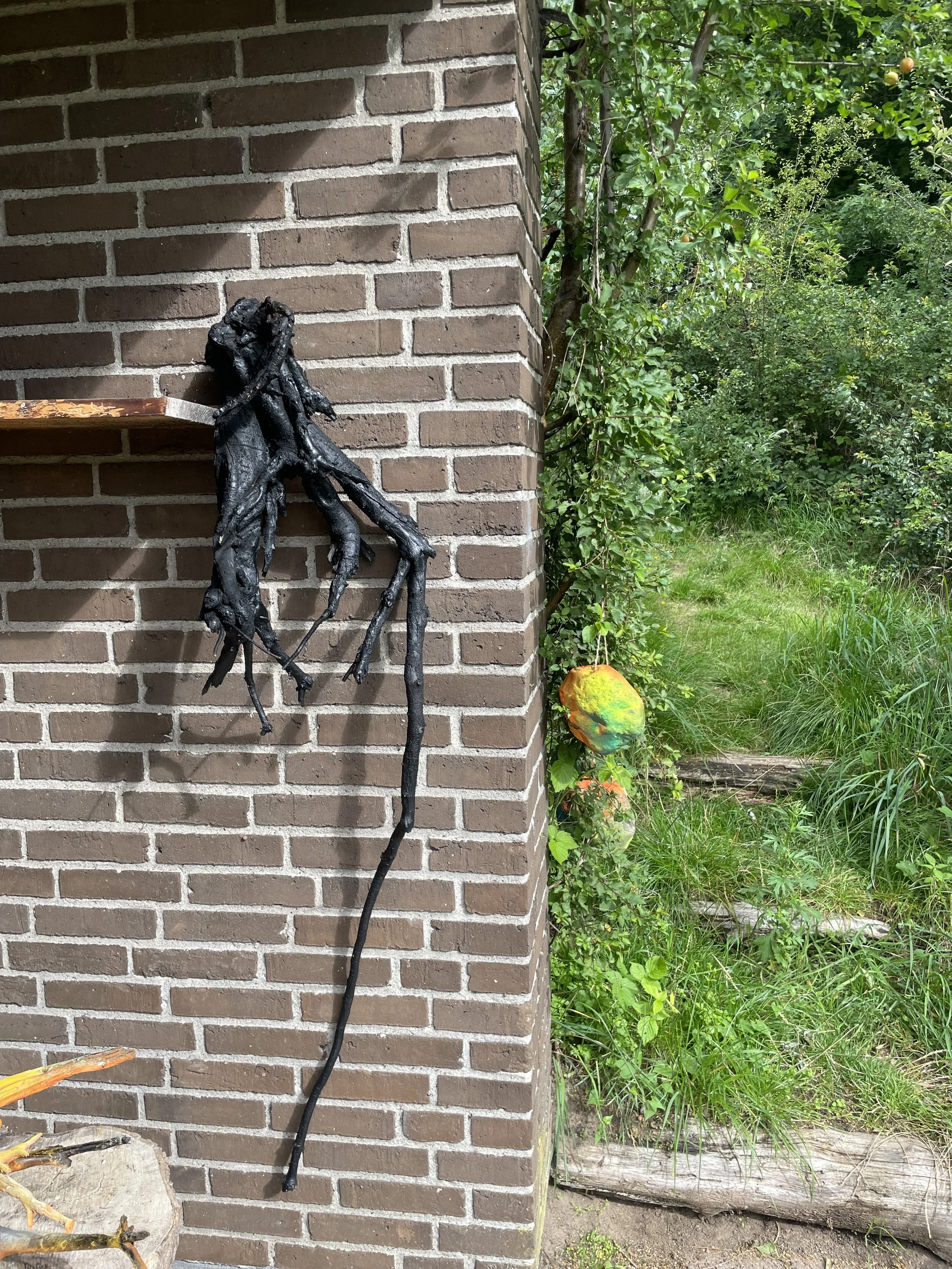
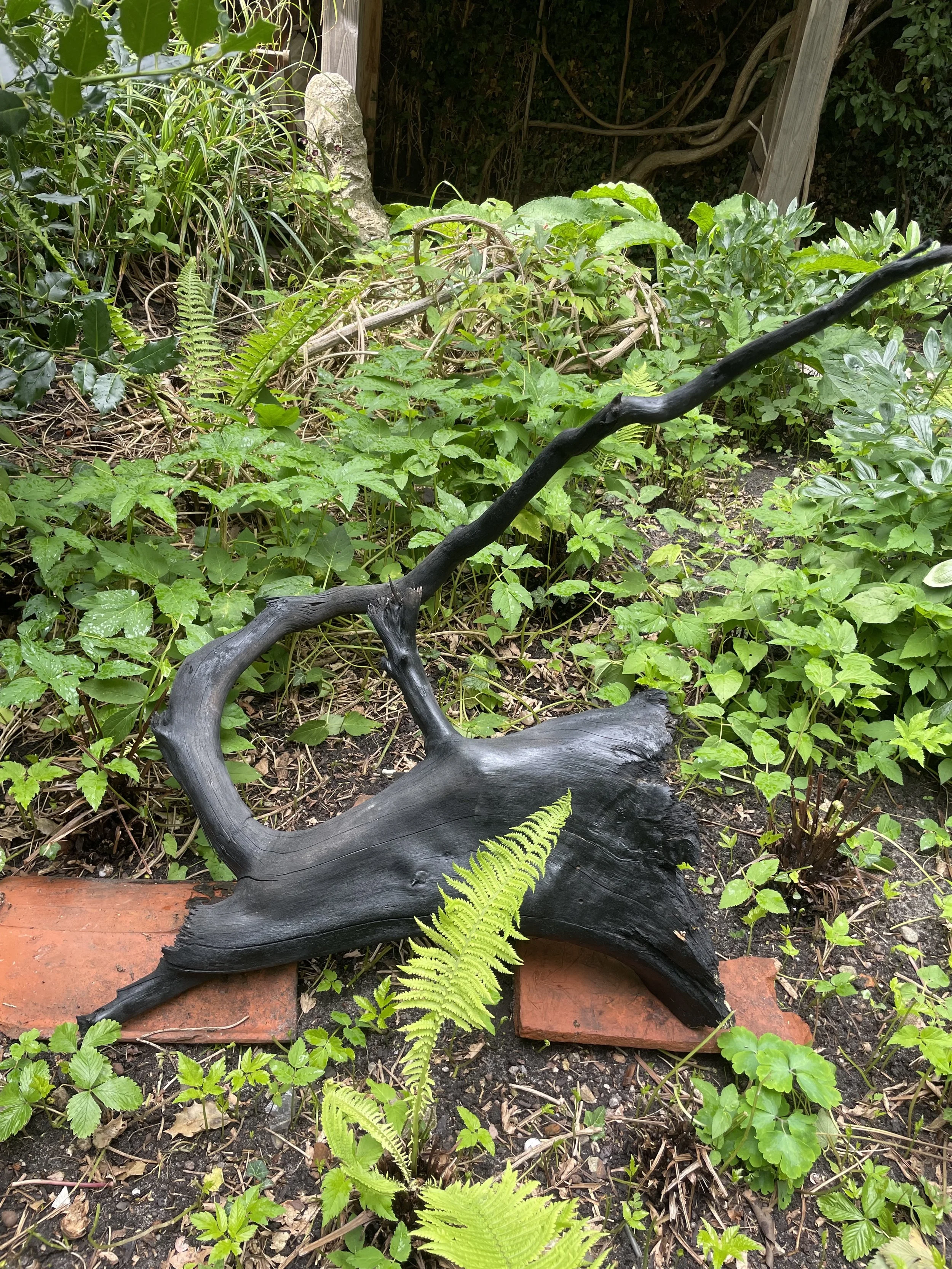
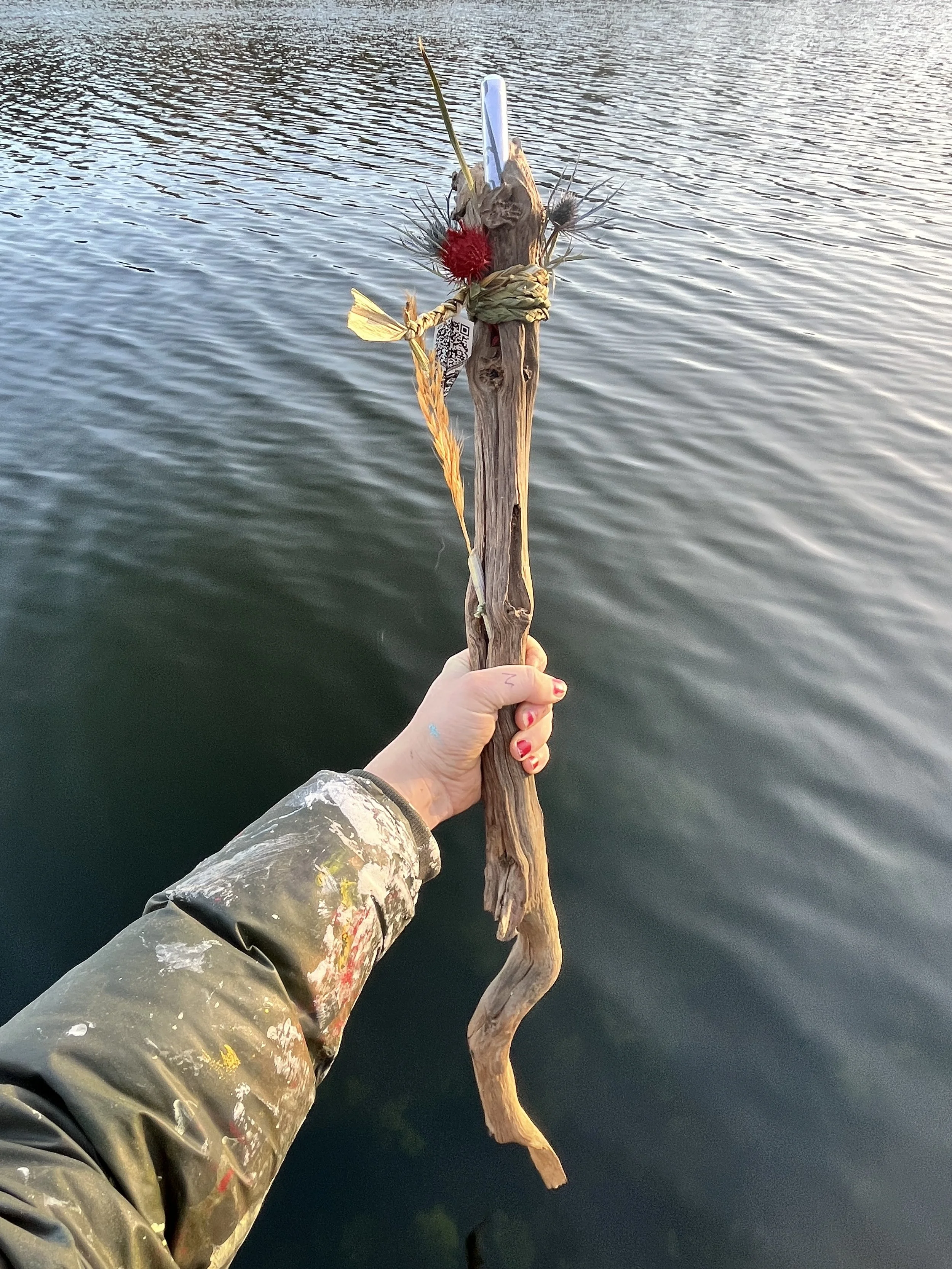
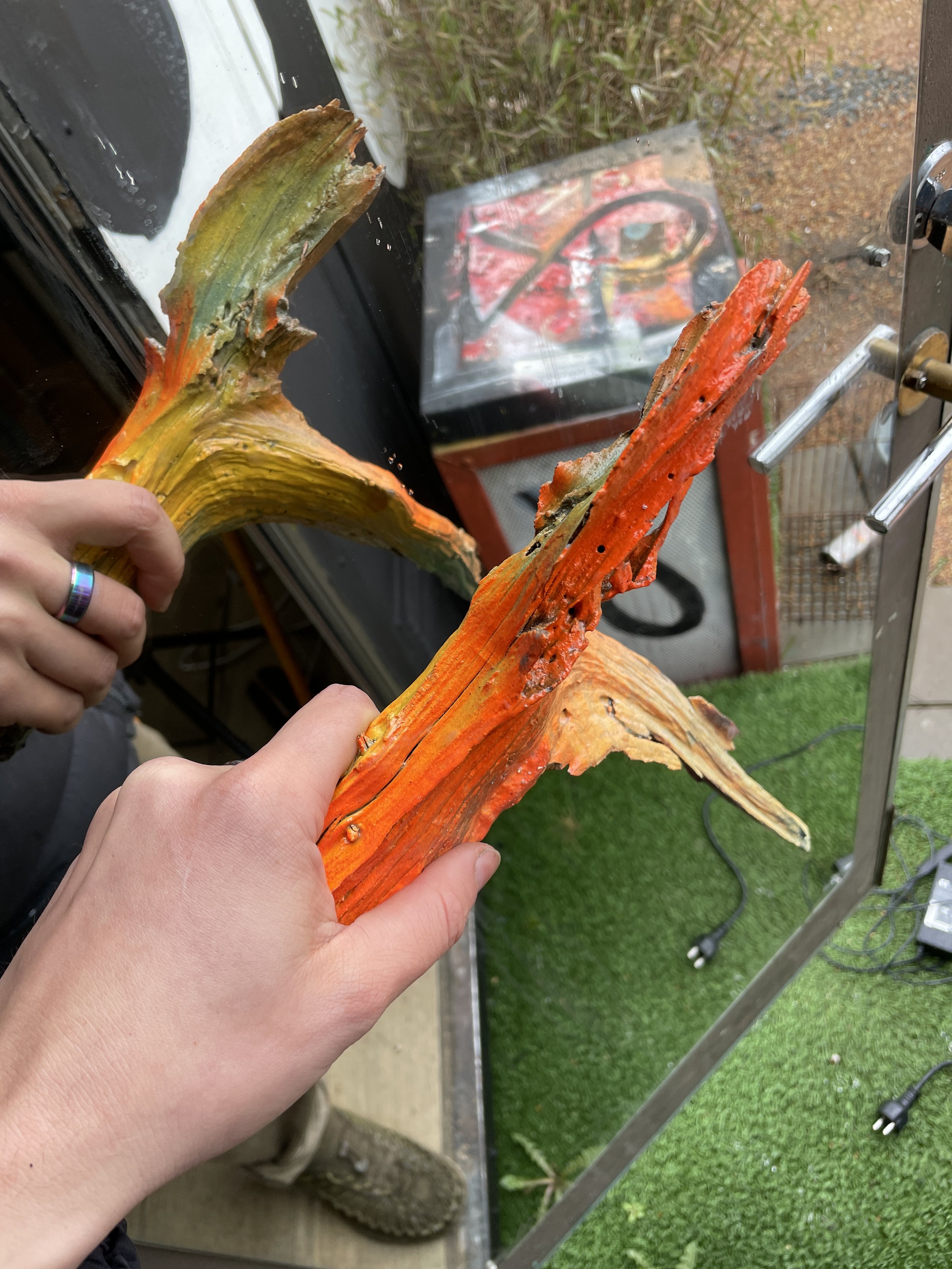
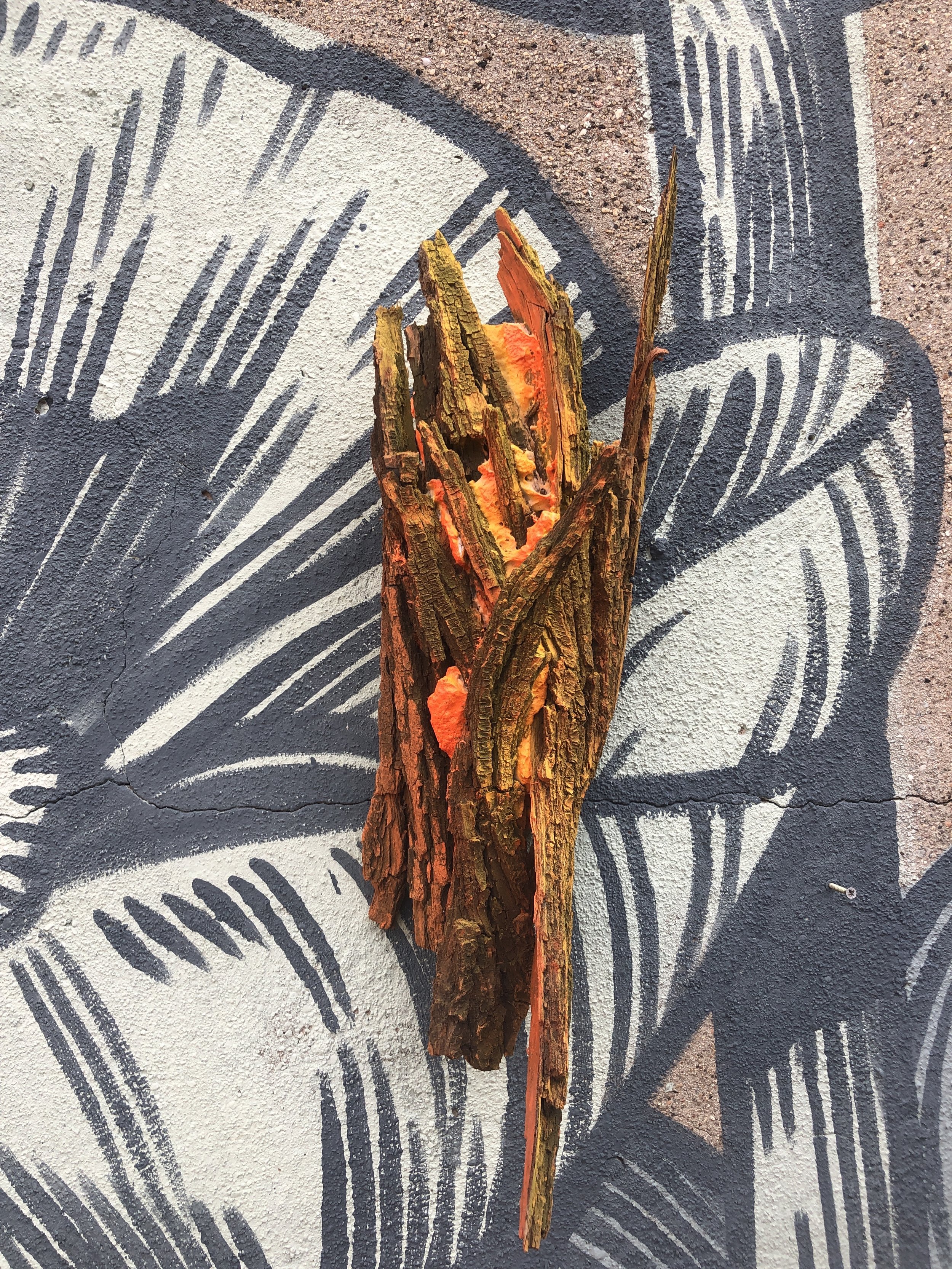
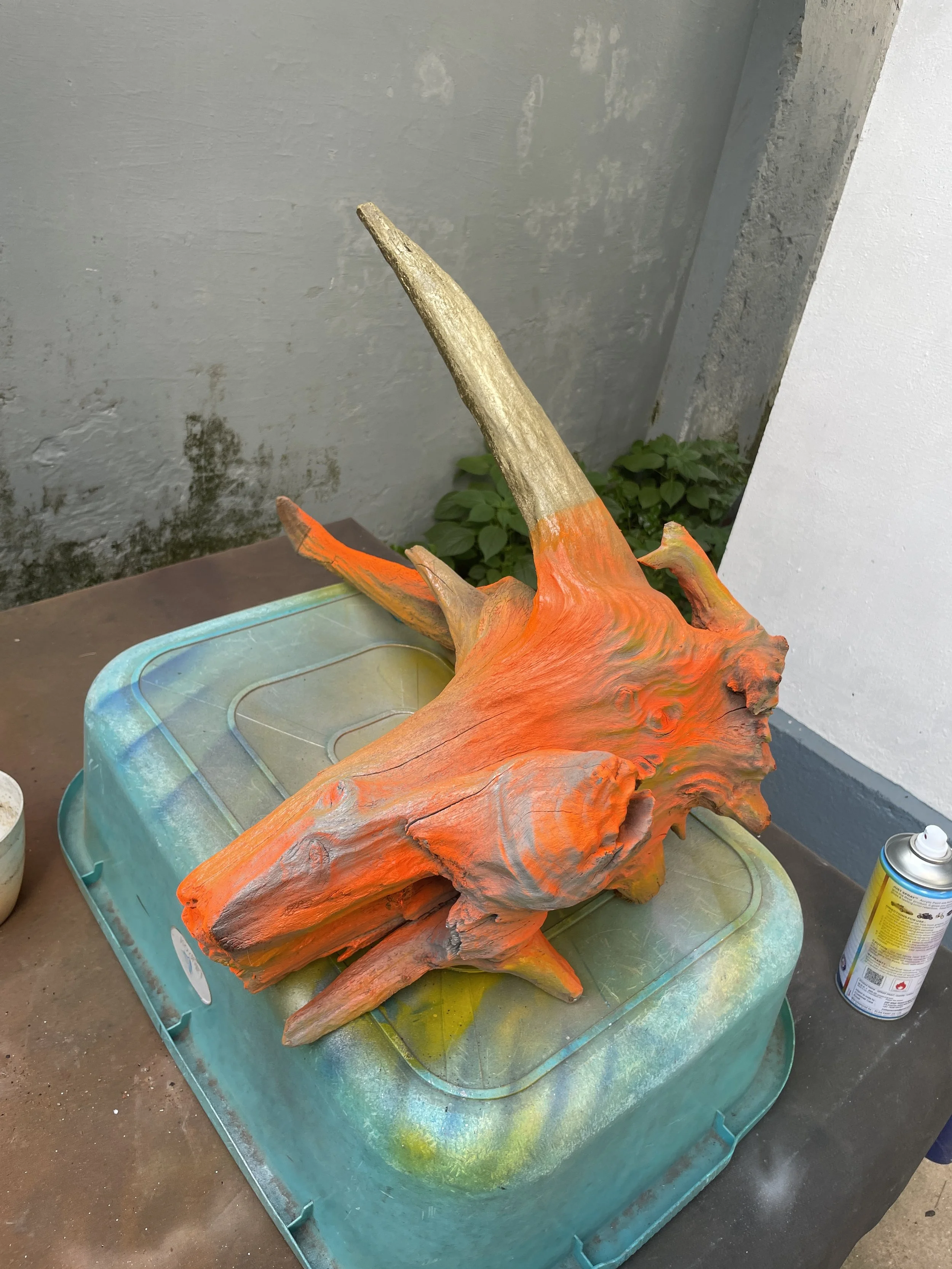
This project grew out of living in the forest and walking every day with my eyes on the ground. I began collecting roots as if they were small relics or remains from something that had already disappeared. Each root I brought home carried a memory of where I found it and how I found it. The practice became a kind of treasure hunt, searching for the strongest and most complete root, something usually hidden and never meant to be seen.
Roots represent for me the invisible underground world. You only see them when a tree is uprooted or when erosion exposes them along a slope, and in that moment the tree is already dying. They are where the tree absorbs nourishment, and sometimes they reach as deep into the earth as the crown reaches into the sky. I feel that roots carry a quiet energy, as if they are part of a slow communication system beneath the surface. Trees are said to speak through mycelium networks, in a time scale that humans can hardly sense.
In one project, using roots collected from the largest landslide in Denmark, I placed three of them upside down in the ground so that the roots pointed upward. For me they became antennas, not connected to the underground network anymore, but to the surrounding space and the cosmos. I know this idea is far-fetched, but belief has its own kind of power.
My search for roots changed when I traveled to India and encountered banyan trees, mangroves, and endless fields of exposed roots in the tea plantations of the Munnar mountains. Compared to these, my local roots felt small and fragile. I kept the project anyway, not because it was a successful result, but because it shows a direction I once followed. In the end, the work became an investigation of what is usually hidden and difficult to reach, and of how fragile these discoveries are in a wet climate where roots are already halfway back to the earth. Maybe one day they will find another life.